Algorithmic Tailoring of Layered Incentives Across Reel Mechanics and Event Predictions via Encrypted Transaction Paths in App Ecosystems
Viktor Günther · Jul 8, 2026
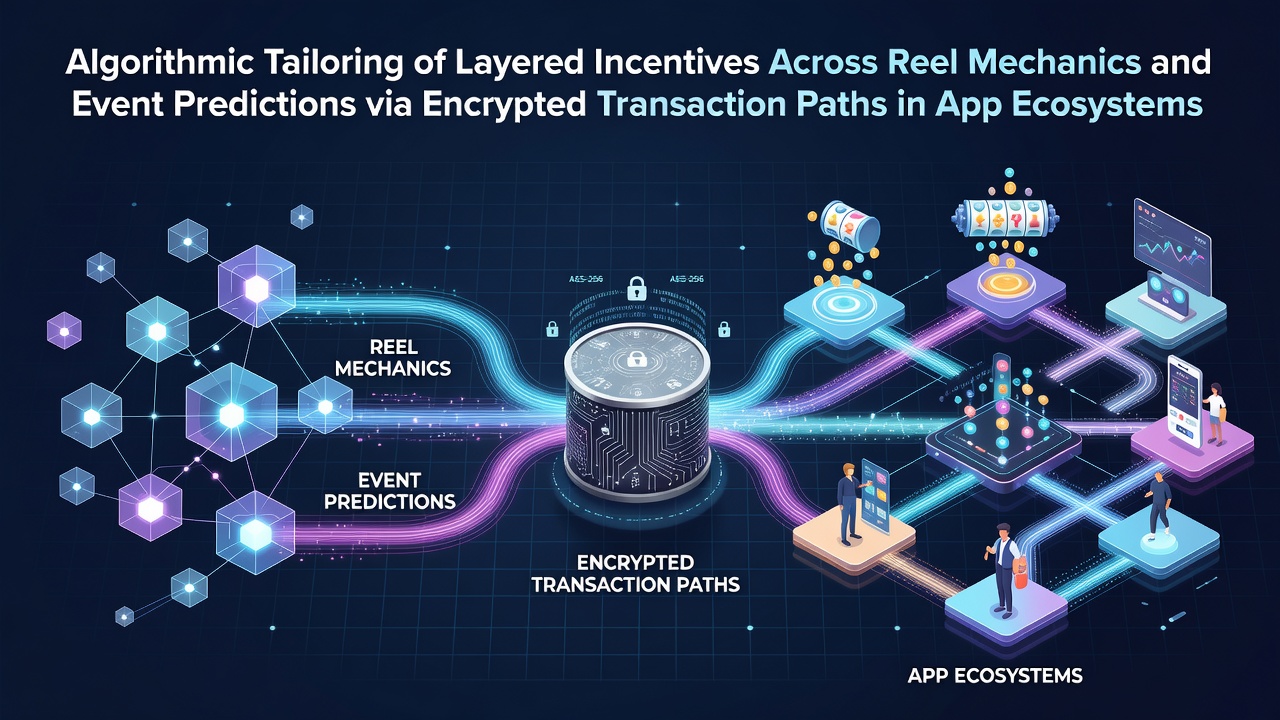
Algorithmic Tailoring of Layered Incentives Across Reel Mechanics and Event Predictions via Encrypted Transaction Paths in App Ecosystems
App ecosystems that combine reel-based games with event prediction features rely on algorithmic systems to adjust layered incentives according to user activity patterns and transaction histories. These systems process data from spinning reel sequences and forecast lines in a single interface while routing all exchanges through encrypted channels that maintain security across mobile networks. In July 2026 several major platforms expanded these models to handle higher volumes of cross-feature activity without compromising transaction integrity.
Core Components of Algorithmic Incentive Design
Algorithms in these environments evaluate player progression across reel mechanics and prediction modules by tracking metrics such as session duration, wager frequency, and outcome sequences. Layered incentives emerge when the system assigns cumulative rewards that build from initial deposits through ongoing engagement, and encrypted transaction paths carry the necessary financial data between the user device and backend servers. Researchers have documented how these paths employ end-to-end encryption protocols that segment payment information from gameplay logs, allowing incentive calculations to occur without exposing raw transaction details.
Developers structure the algorithms around decision trees and reinforcement learning models that update reward tiers in real time. One common approach segments users into cohorts based on behavioral clusters, then applies distinct incentive schedules to each group. Data from industry reports shows that platforms using this method recorded measurable increases in feature-switching rates between reel sequences and athletic forecast lines during the first half of 2026.
Integration of Encrypted Transaction Paths
Encrypted transaction paths serve as the backbone for moving funds and recording incentive triggers across app modules. These paths typically incorporate multi-factor authentication and tokenization so that each deposit or withdrawal carries a unique identifier that the algorithm can reference when recalculating layered benefits. Observers note that this separation of payment data from gameplay telemetry reduces latency while preserving audit trails required by regulatory frameworks in multiple jurisdictions.
Cross-Feature Reward Synchronization
Synchronization occurs when an algorithm detects activity in one module and adjusts incentives available in the other. For instance, consistent reel play can unlock enhanced prediction odds or deposit-matched bonuses that apply to both feature sets. In July 2026 several operators introduced unified loyalty ledgers that aggregate progress across these modules, and studies from research institutions indicate such ledgers improved retention metrics in tested markets.

Case examples from North American operators reveal that algorithms adjust incentive depth according to encrypted transaction velocity rather than absolute spend amounts. This approach allows users who route smaller but frequent transactions through secure channels to accumulate comparable layered benefits to those completing larger single transfers. Australian regulatory summaries have similarly recorded growth in mobile prediction markets that adopted comparable synchronization techniques during the same period.
Regulatory and Technical Considerations
Regulatory bodies in the United States and Canada require operators to maintain detailed logs of how algorithmic decisions influence incentive distribution. These logs must demonstrate that encrypted transaction paths do not introduce bias into reward allocation. Technical documentation from platform providers indicates that zero-knowledge proofs are increasingly applied to verify compliance without revealing individual transaction contents.
Industry organizations have published guidelines that outline minimum standards for data segmentation between reel mechanics, prediction engines, and payment processors. Platforms that implemented these guidelines reported fewer compliance incidents during the second quarter of 2026. The same organizations noted that cross-feature incentive systems continue to evolve as encryption standards advance and as regulators refine reporting requirements.
Future Trajectory of Layered Incentive Systems
Current trajectories point toward deeper integration of predictive analytics that anticipate when users will shift between reel sequences and event forecasts. Algorithms are expected to incorporate additional variables such as device type, network conditions, and time-of-day patterns while still routing all financial activity through encrypted channels. Figures released by the American Gaming Association highlight sustained growth in mobile gaming revenue streams that rely on these integrated approaches.
Developments scheduled for later in 2026 include expanded testing of federated learning models that allow algorithms to refine incentive layers without centralizing raw user data. Such models maintain the separation between gameplay telemetry and transaction records, supporting continued compliance across jurisdictions that maintain distinct data-protection rules.
Conclusion
Algorithmic tailoring of layered incentives across reel mechanics and event predictions operates through encrypted transaction paths that enable secure, synchronized reward distribution in app ecosystems. Data from multiple regulatory and industry sources demonstrates measurable adoption of these systems through mid-2026, with ongoing refinements focused on compliance, security, and cross-feature engagement. The structural elements described here continue to shape how operators manage incentives while meeting technical and regulatory standards.