Dynamic Incentive Integration Across Reel Automation, Live Dealer Interfaces, and Real-Time Event Markets in Mobile Applications
Cameron Keller · Aug 26, 2026

Dynamic Incentive Integration Across Reel Automation, Live Dealer Interfaces, and Real-Time Event Markets in Mobile Applications
Adaptive reward frameworks have emerged as central components in smartphone applications that combine automated reel sequences, interactive dealer sessions, and event-based betting markets, and these systems adjust incentives based on user activity patterns across multiple game types while maintaining compliance with regional regulations. Data from industry tracking in August 2026 shows continued expansion of such integrated platforms in several jurisdictions, with developers focusing on seamless transitions that preserve accumulated benefits when players move between automated spins and live table environments or shift to event-driven wagers.
Core Components of Integrated Mobile Frameworks
Automated spins refer to digital reel mechanisms that operate without continuous player input beyond initial selections, while interactive tables deliver real-time dealer interactions through video streams and event-based betting covers live sports outcomes plus other timed occurrences. Researchers tracking app usage patterns note that frameworks synchronize these elements through shared user profiles that track engagement metrics such as session duration, wager frequency, and game variety, then apply tiered adjustments to reward rates accordingly. Observers note that this synchronization allows a single account balance and progress tracker to reflect activity in all three areas without requiring separate logins or manual transfers.
Implementation often relies on modular algorithms that detect shifts in play style, for instance recognizing when a user completes a series of automated spins and then enters an interactive table session, at which point the system recalibrates available multipliers or bonus triggers to reflect the new context. Studies from gaming technology firms indicate that such recalibrations occur within milliseconds of the transition, preserving continuity so that prior reel activity contributes to table-specific incentives like dealer tip credits or extended session protections.
Technical Mechanisms Driving Adaptation
Frameworks employ cross-game data pipelines that aggregate inputs from each vertical, feeding them into centralized decision engines which evaluate factors including total handle, game diversity, and time-of-day patterns before issuing updated reward offers. In practice, a player finishing automated spins might receive an immediate prompt for table entry that includes an adapted bonus, such as matched credits scaled to recent reel performance, while similar logic applies when moving toward event markets where odds fluctuate in real time. According to a 2025 analysis released by the American Gaming Association, applications incorporating these pipelines reported higher cross-vertical retention compared to segmented designs, although exact percentages vary by operator implementation.
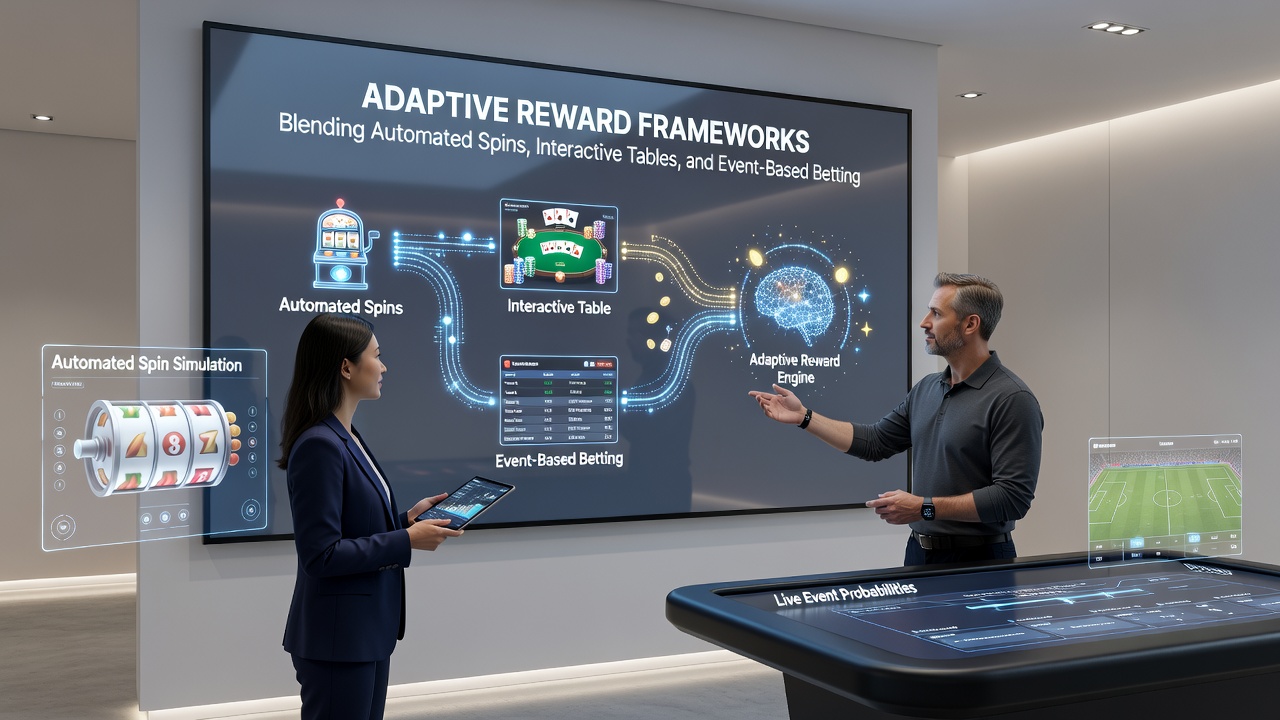
Event-based betting integration adds another layer because market odds update continuously, requiring the reward engine to incorporate external data feeds alongside internal play history. This means a framework might elevate a loyalty multiplier during high-volatility sports periods while simultaneously maintaining table-game streak bonuses, ensuring neither segment loses visibility within the overall system. Those monitoring regulatory filings in multiple states during 2026 have documented that operators must log these adaptive calculations for audit purposes, creating transparent trails that demonstrate how rewards derive from combined activity rather than isolated verticals.
Regulatory and Operational Considerations
Jurisdictions overseeing mobile gambling applications require clear disclosure of how adaptive calculations function, particularly when rewards cross from automated spins into live dealer or event domains. In August 2026 several operators updated their compliance documentation to reflect expanded use of these frameworks, aligning with guidelines from bodies such as the Gambling Research Exchange Ontario that emphasize equitable treatment across game categories. Operational teams at development studios report that testing protocols now include scenario simulations covering rapid switches between all three modes to verify that reward values remain consistent and auditable.
Case examples from deployed applications illustrate the process: one platform adjusted a player's accumulated tier status after a sequence that began with automated spins, continued through an interactive blackjack table, and concluded with an in-play sports wager, applying a unified multiplier that reflected total engagement rather than separate tallies. Such examples appear in technical white papers shared among industry groups, confirming that the underlying data models prioritize continuity while respecting jurisdictional spending limits and self-exclusion lists.
Future Directions in Framework Development
Developers continue refining the granularity of adaptation by incorporating machine-learning components that predict likely transitions between game types, allowing preemptive reward offers to surface at natural breakpoints. Evidence gathered from user telemetry in mid-2026 indicates that these predictive adjustments correlate with extended overall session lengths when implemented across reel, table, and event segments simultaneously. Industry reports further document ongoing collaboration between operators and academic research teams to validate that adaptive logic does not inadvertently favor one vertical over others, maintaining balanced incentive distribution.
Conclusion
Adaptive reward frameworks in smartphone applications now routinely blend automated spins, interactive tables, and event-based betting by maintaining unified tracking systems that recalibrate incentives in real time. Data collected through 2026 demonstrates steady adoption of these integrated approaches, supported by regulatory oversight and technical infrastructure that ensures continuity across game modes. As platforms evolve, the emphasis remains on transparent, auditable mechanisms that connect activity from each segment into cohesive player experiences.