Interlinked Aid Mechanisms and Privilege Growth in Portable Gaming and Betting Interfaces
Kai Wolf · May 29, 2026
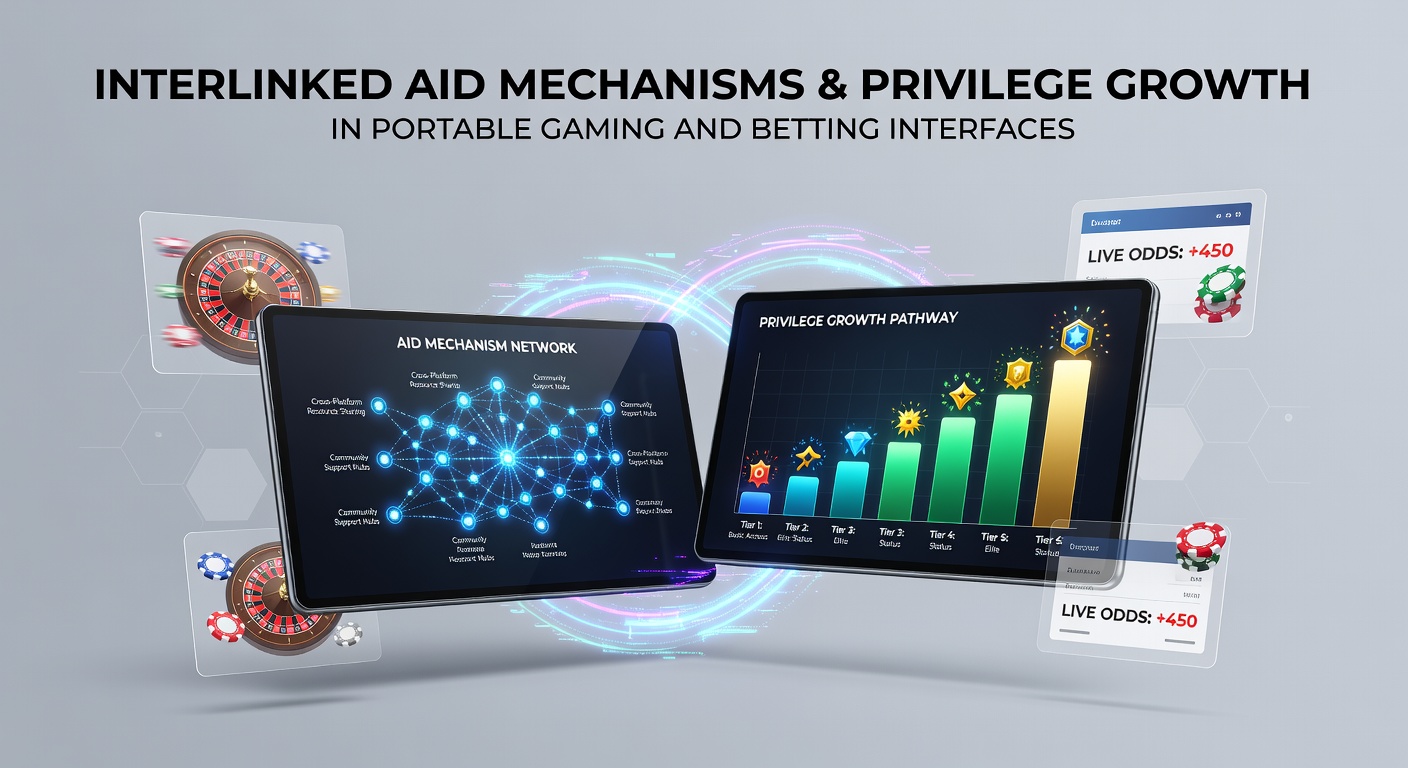
Interlinked Aid Mechanisms and Privilege Growth in Portable Gaming and Betting Interfaces
Portable gaming and betting interfaces have evolved to connect customer assistance tools directly with tiered reward systems, creating pathways where users access support while accumulating privileges across mobile platforms. Data from regulatory filings in May 2026 shows increased integration of these features in apps handling live dealer sessions alongside sports wagers, with operators reporting higher retention rates tied to seamless navigation between help functions and bonus structures.
Core Components of Aid Mechanisms in Mobile Environments
Support networks in portable interfaces include real-time chat functions, automated FAQ sections, and personalized account advisors that activate during gameplay transitions from slots to competitive odds. These tools operate through unified dashboards where users trigger assistance without exiting active sessions, and research from the Australian Gambling Research Centre indicates that such connectivity reduces session interruptions by linking query resolutions to immediate privilege adjustments like temporary credit boosts or tier progress trackers.
Observers note that aid protocols often embed within the interface architecture itself, allowing algorithms to detect patterns in user behavior and prompt relevant help options while simultaneously updating reward meters. For instance, when a player encounters issues during a live table transition on a mobile app, the system can route them to an advisor who applies fixes and logs the interaction toward eligibility for higher-tier perks such as exclusive event access or accelerated point multipliers.
Privilege Growth Pathways and Their Integration
Tiered benefit systems in these interfaces reward consistent activity with escalating privileges, including customized betting limits, priority support queues, and cross-game stacking options that span portable slots to live sports interfaces. Figures from industry analyses in early 2026 reveal that platforms incorporating interlinked mechanisms see privilege accumulation accelerate when support interactions feed directly into reward calculations, as each resolved query or guided session contributes data points toward level advancement.
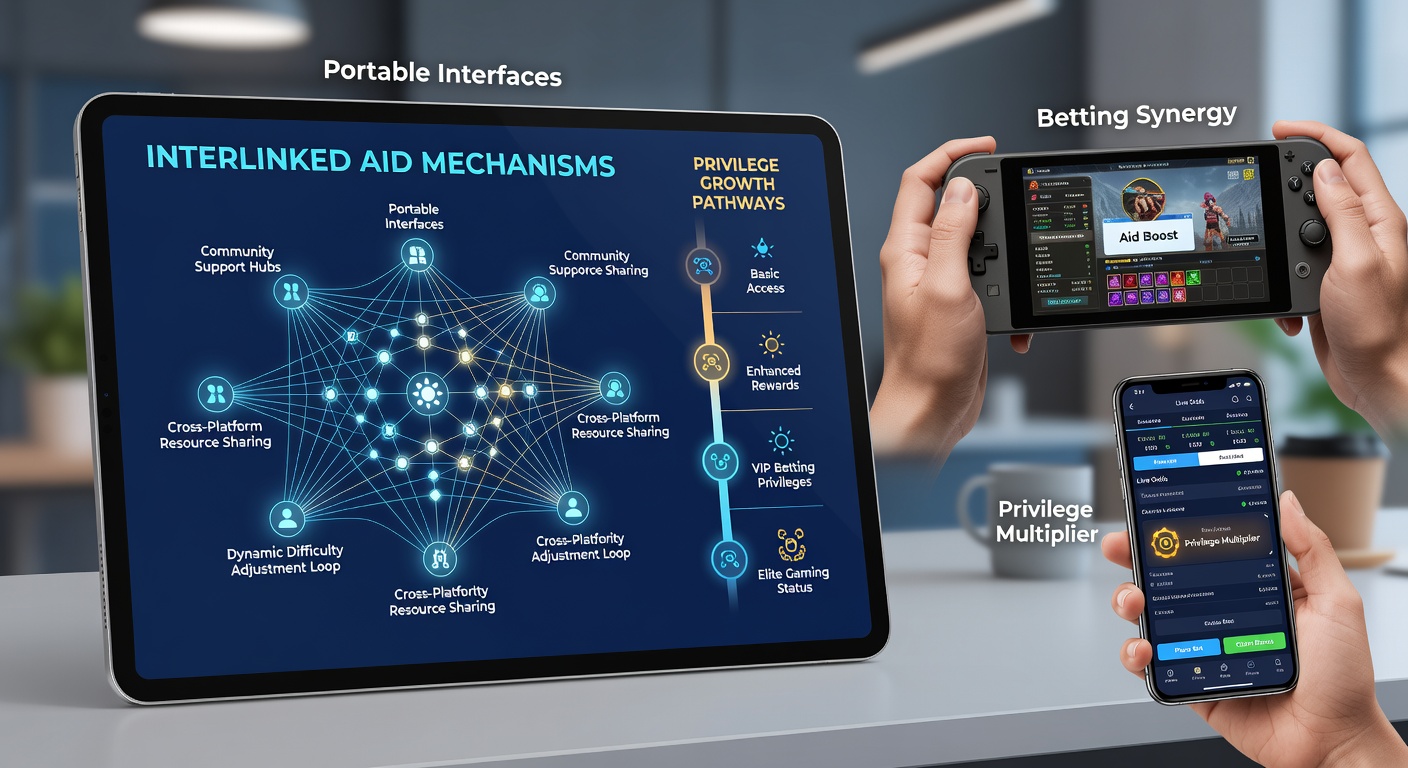
Those who've studied mobile interface design point out that privilege growth relies on data flows between aid tools and loyalty engines, where completed support tasks unlock layered benefits without separate enrollment steps. In one documented case from North American operators, users who engaged with embedded help during May 2026 promotions moved from basic tiers to mid-level status 20 percent faster than those using standalone reward programs, according to aggregated platform metrics shared through trade associations.
Regional Developments and Data Patterns
Across various jurisdictions, portable interfaces demonstrate distinct approaches to these interconnections. Canadian provincial regulators have documented similar trends in mobile betting expansions, where integrated systems allow privilege tiers to reflect both wagering volume and support utilization rates. This setup enables fluid movement between gaming types while maintaining consistent benefit tracking, and reports highlight how such designs support compliance with regional standards without fragmenting user experiences.
European operators have adopted comparable frameworks, drawing on studies from research institutions that track how aid mechanisms influence long-term privilege trajectories. Data compiled through 2026 shows correlations between responsive assistance availability and sustained tier progression, particularly in apps that synchronize real-time help with dynamic reward updates during peak activity periods.
Technical Frameworks Enabling the Connections
Backend architectures in these platforms use API linkages to merge support logs with privilege databases, ensuring that interactions in one area automatically influence outcomes in the other. Experts have observed that this technical bridging supports features like automated tier notifications triggered after assistance sessions, while maintaining security protocols that protect user data across portable devices. What's notable is the emphasis on scalability, allowing smaller operators to implement scaled versions of these systems without extensive custom development.
Industry organizations tracking global trends report that by May 2026, over 60 percent of surveyed mobile gaming providers had upgraded their interfaces to include these interlinks, citing improved operational efficiency as a primary driver. The connections extend to analytics layers that predict user needs based on historical privilege paths, routing proactive aid options that further embed growth opportunities within daily interactions.
Conclusion
Interlinked aid mechanisms and privilege growth continue to shape portable gaming and betting interfaces through structured data integrations and responsive design choices. Regional reports and platform metrics underscore how these elements combine to facilitate user progression across mobile environments, with developments in May 2026 reflecting ongoing refinements in connectivity and tracking capabilities.