Mapping the Dynamics of Funding Channel Choices and Tiered Incentive Layering Across Reel Sequences, Interactive Dealings, adn Athletic Forecast Features in Application Ecosystems
Yves Friedrich · Jul 1, 2026
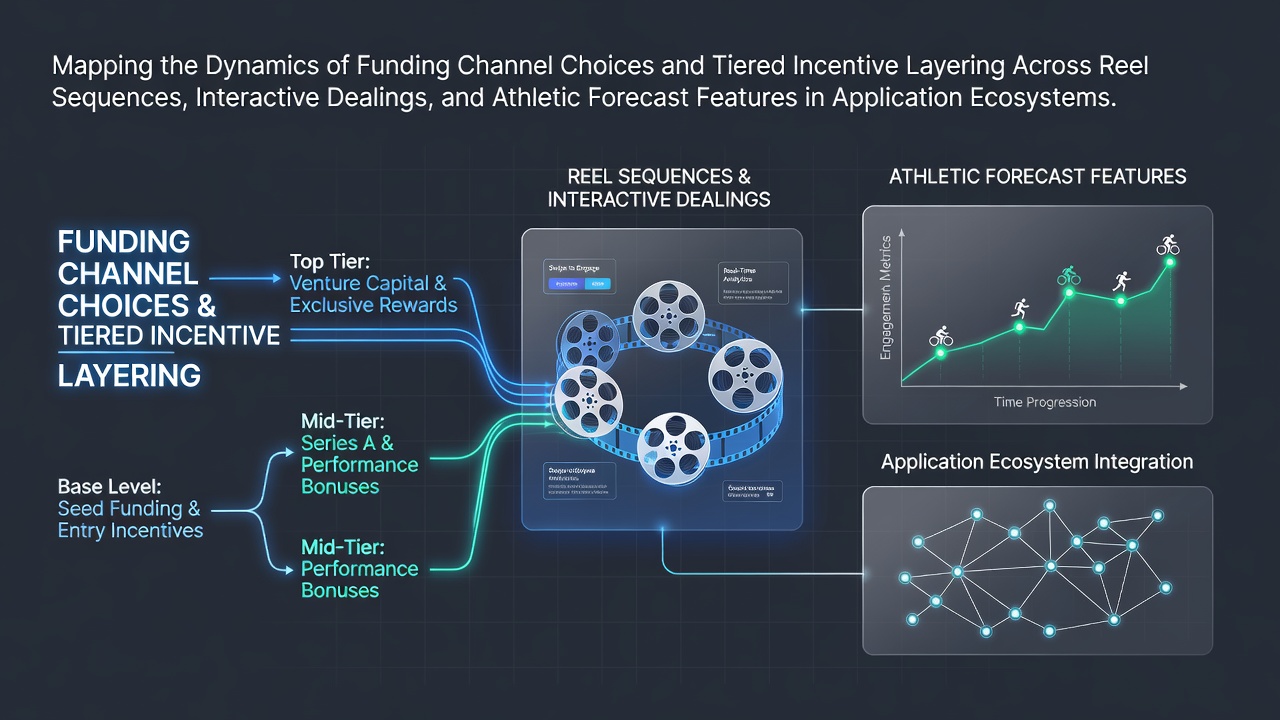
Mapping the Dynamics of Funding Channel Choices and Tiered Incentive Layering Across Reel Sequences, Interactive Dealings, adn Athletic Forecast Features in Application Ecosystems
Application ecosystems that combine reel sequences with interactive dealings and athletic forecast features have developed distinct patterns for funding channel selections and incentive structures. These patterns emerge because each game category processes transactions and rewards differently based on session length, risk profile, and user engagement metrics. Data from platform analytics indicate that users select funding routes according to speed, fees, and compatibility with layered bonus systems rather than uniform preferences across all features. Payment method adoption varies sharply when users move between automated reel play, live dealer tables, and sports prediction modules. E-wallet options often dominate reel sequences because they support instant micro-transactions that align with frequent spin cycles, while bank transfers appear more frequently in athletic forecast sections where larger stake sizes occur. Interactive dealings show higher use of card-based funding since session timing requires reliable authorization during real-time rounds. Researchers tracking app telemetry in mid-2026 observed that these preferences stabilize once users identify which channels trigger the highest tiered reward multipliers within each module. Tiered incentive layering operates through separate accumulation tracks that reset or carry over depending on the game type. Reel sequences typically feed into volume-based tiers that unlock free spins or cashback percentages, whereas interactive dealings accumulate service credits tied to table time and dealer interaction ratings. Athletic forecast features layer incentives around prediction accuracy and parlay completion rates, creating separate ladders that users must advance independently. Observers note that funding channel choice directly influences which tiers become accessible first because certain deposit methods carry promotional codes that activate only within designated game categories.Cross-Feature Incentive Pathways
Application developers maintain unified user accounts yet segment incentive delivery to reflect the distinct mechanics of each activity. When a deposit originates through a specific channel, the system routes the resulting reward eligibility into the appropriate track without automatic crossover. One documented case involves users who fund primarily via instant bank apps and receive accelerated tier progress in athletic forecast modules but slower advancement in reel sequences. This segmentation prevents overlap while still allowing manual transfers of certain credits between categories when platform rules permit. Platform operators adjust incentive parameters according to regulatory reporting requirements that differ by jurisdiction. Figures released by the American Gaming Association in July 2026 showed measurable shifts in deposit method distribution after several states updated digital wallet verification standards. These adjustments prompted apps to recalibrate tier thresholds so that funding channel diversity remained available while maintaining compliance across reel, interactive, and forecast modules simultaneously.Channel Selection Patterns in July 2026
By July 2026, aggregate transaction logs revealed that cryptocurrency options gained measurable traction within athletic forecast sections compared with earlier periods, largely because settlement speeds matched live event pacing. Reel sequences continued to favor established e-wallets because bonus stacking rules often exclude crypto deposits from certain spin multipliers. Interactive dealings showed the most balanced distribution across channels since live sessions benefit from methods that complete authorization quickly without interrupting table flow. Those who studied user journey data found that individuals rarely switch funding channels mid-session even when moving between game types, preferring instead to maintain one primary route and accept the resulting incentive limitations.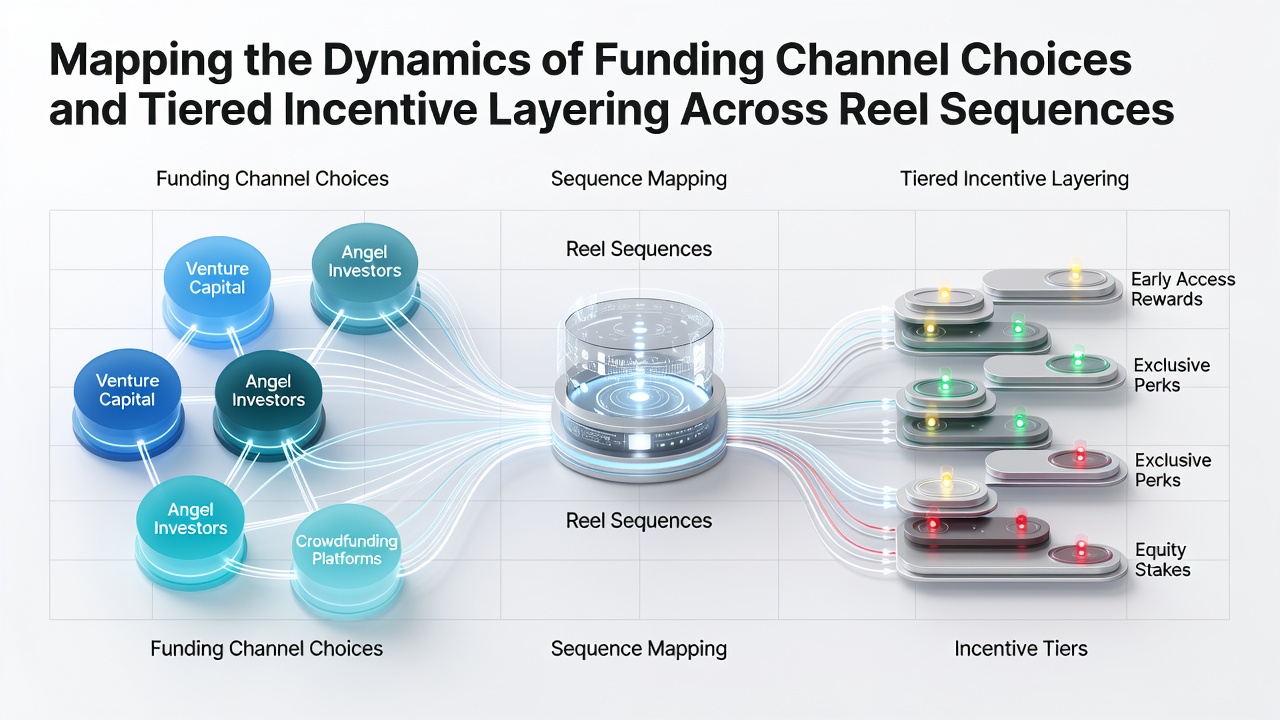 Support protocols influence how incentives transfer when users navigate between modules. In-app chat systems log queries about funding eligibility and route responses that reference the specific tier rules active in the current game category. This approach allows agents to direct users toward channels that unlock pending rewards without requiring cross-module credit conversion. Data collected from several major platforms indicate that response templates updated in early 2026 incorporated explicit references to funding channel restrictions to reduce repeated inquiries about reel versus forecast bonus eligibility.