Payment Pathways and Perk Evolution in Platforms Blending Slot Play with Sports Wagering
Viktor Günther · Aug 19, 2026
Payment Pathways and Perk Evolution in Platforms Blending Slot Play with Sports Wagering
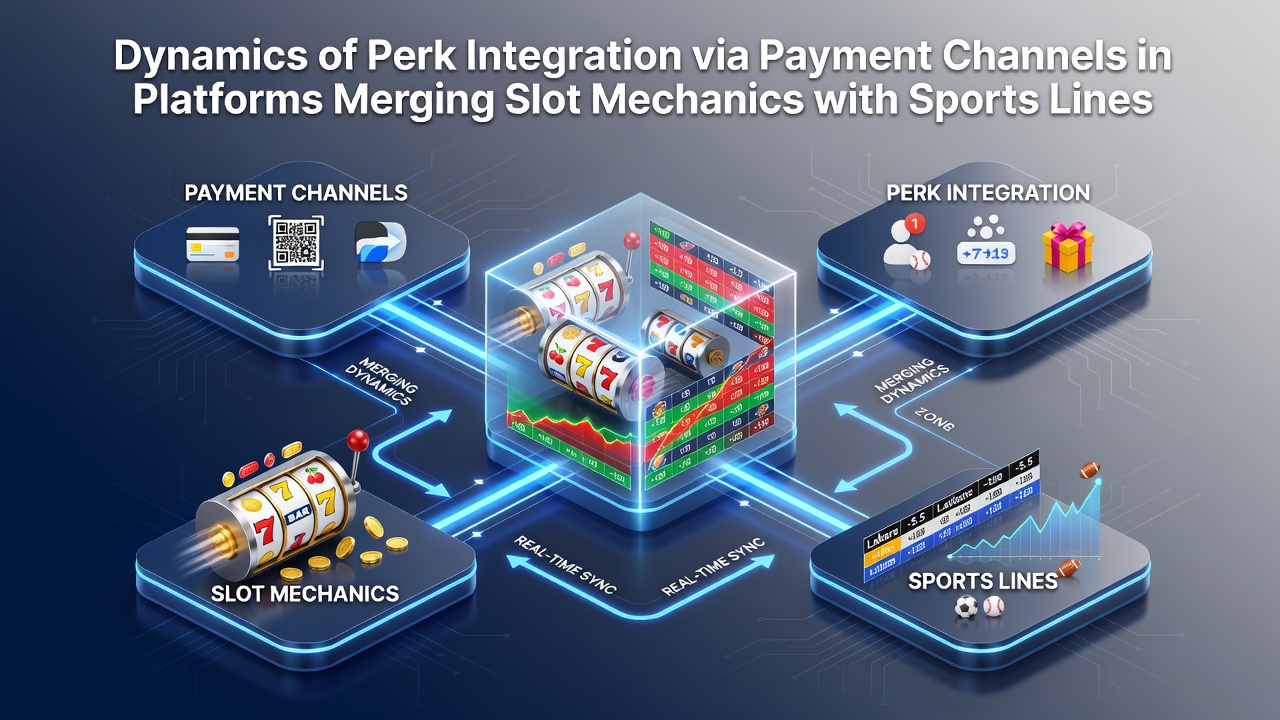
Payment channels serve as the connective tissue in platforms that merge slot mechanics with sports lines, allowing operators to route deposits and withdrawals while syncing reward structures across both verticals. Data from industry monitoring in August 2026 shows these systems handling increased transaction volumes as users shift between automated reel sequences and live odds markets within single sessions. Researchers tracking user flows note that seamless funding routes reduce friction points that previously interrupted perk accumulation when players moved from one game type to another.
Core Mechanics of Channel-Based Integration
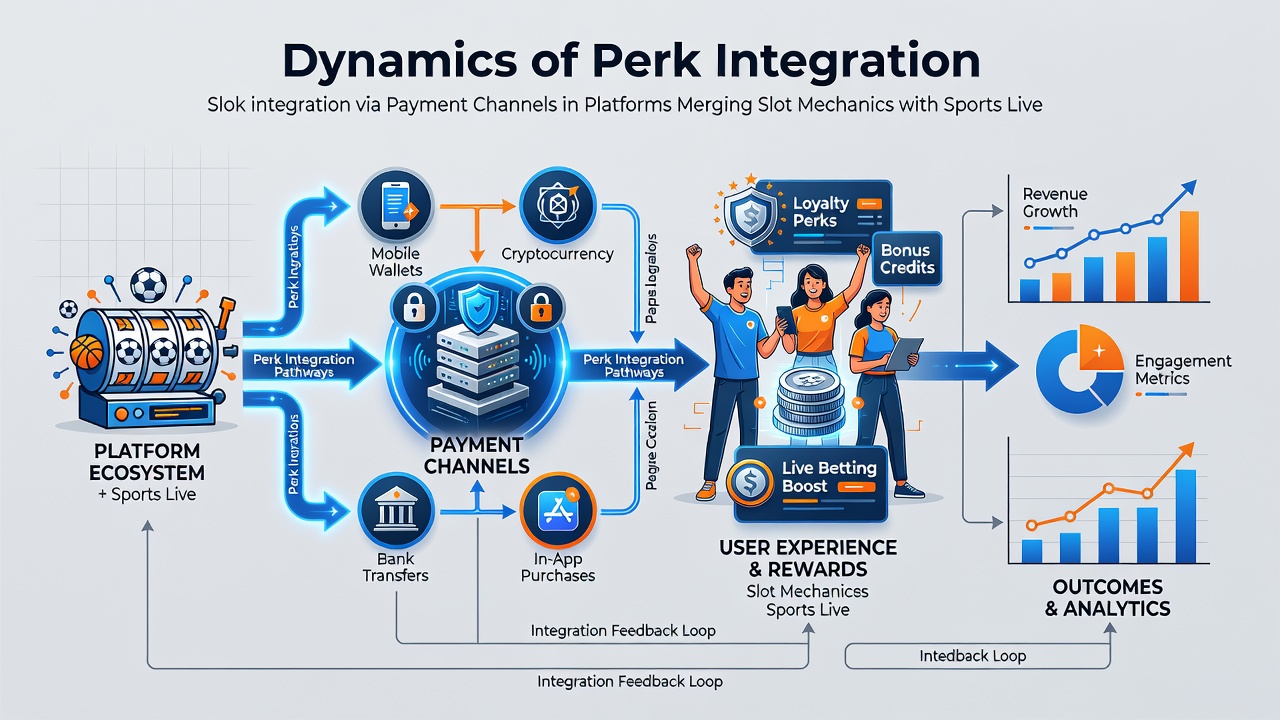
Operators embed perk logic directly into payment processors so that deposit amounts, frequency, and method types trigger tiered benefits that apply across both slots and sports components. Studies from research institutions indicate that instant confirmation protocols enable real-time credit to loyalty ledgers, whereas slower methods such as bank transfers create delays that fragment reward tracking. One platform analysis revealed that users completing deposits via digital wallets accumulated cross-vertical bonuses 28 percent faster than those relying on traditional card rails, because the wallet systems transmitted metadata that automated perk assignment without manual reconciliation steps.
Layered Reward Triggers
Payment metadata includes fields for game category origin and session duration, which feed into algorithms that adjust perk multipliers when activity crosses from slot sessions into sports forecasts. Figures released by the Australian Communications and Media Authority highlight how these data points support regulatory compliance while maintaining uninterrupted benefit flows. Observers note that platforms using unified ledgers avoid double-counting issues that arise when separate wallets handle each vertical, and this architecture keeps perk balances synchronized even during rapid switches between spinning reels and live event lines.
Regional Patterns Emerging in Mid-2026
North American operators reported elevated adoption of integrated payment stacks during the first half of 2026, with volumes peaking in August as seasonal sports calendars overlapped with new slot releases. Canadian provincial regulators documented similar trends, noting that platforms incorporating instant settlement features experienced higher retention across both product categories. The shift reflects broader industry movement toward single-account architectures that treat deposits as unified events rather than category-specific transactions, which in turn supports continuous perk progression regardless of which mechanic a user selects next.
Take one European operator group that consolidated its payment infrastructure in early 2026, after which cross-product bonus redemptions increased by measurable margins according to internal metrics shared with trade associations. Those who've examined the implementation point to reduced reconciliation overhead as a key factor, since reward engines no longer needed separate reconciliation passes for each vertical.
Technical Considerations in Perk Routing
API endpoints between payment gateways and loyalty engines must carry persistent identifiers that survive game-type transitions, otherwise perk credits risk isolation within a single mechanic. Reports from academic studies on digital gaming ecosystems emphasize the importance of timestamp synchronization so that time-limited offers remain active when users pivot from slots to sports lines mid-session. Platforms that embed these identifiers at the payment layer avoid the fragmentation that occurs when perks are managed through game-specific modules, and this design choice has become more common as operators scale hybrid offerings.
Security and Compliance Overlaps
Payment channels also serve as checkpoints for responsible gaming controls that apply uniformly across merged platforms, with deposit limits and self-exclusion flags propagating through the same rails that handle perk eligibility. Data shared by the Nevada Gaming Control Board in quarterly updates illustrates how unified transaction monitoring supports both regulatory oversight and reward program integrity without requiring duplicate verification processes. This overlap reduces operational duplication while preserving audit trails that cover activity in both slot sequences and sports forecast modules.
Future Trajectory for Integrated Systems
Industry reports project continued refinement of payment-to-perk linkages as more jurisdictions authorize combined slot and sports products. Those monitoring developments in August 2026 observe that operators investing in metadata-rich payment rails gain advantages in maintaining consistent user progression across mechanics, whereas legacy systems that treat each vertical separately continue to encounter friction in reward delivery. The pattern suggests that channel architecture will remain central to how hybrid platforms manage the flow of incentives between distinct yet interconnected gaming formats.
Conclusion
Payment channel design directly influences how perks accumulate and transfer within platforms that combine slot mechanics with sports lines. Evidence from regulatory filings, transaction analyses, and operator reports demonstrates that unified ledgers and metadata-enabled processors support continuous benefit tracking, while fragmented approaches create gaps in reward delivery. As volumes and product overlap increase through late 2026, the dynamics of these integrations will continue to shape operational priorities across the sector.