Security Checkpoints Guiding Perk Accumulation During Transitions from Mechanical Reel Play to Athletic Line Bets in Smartphone Interfaces
Sam Keller · Jul 13, 2026
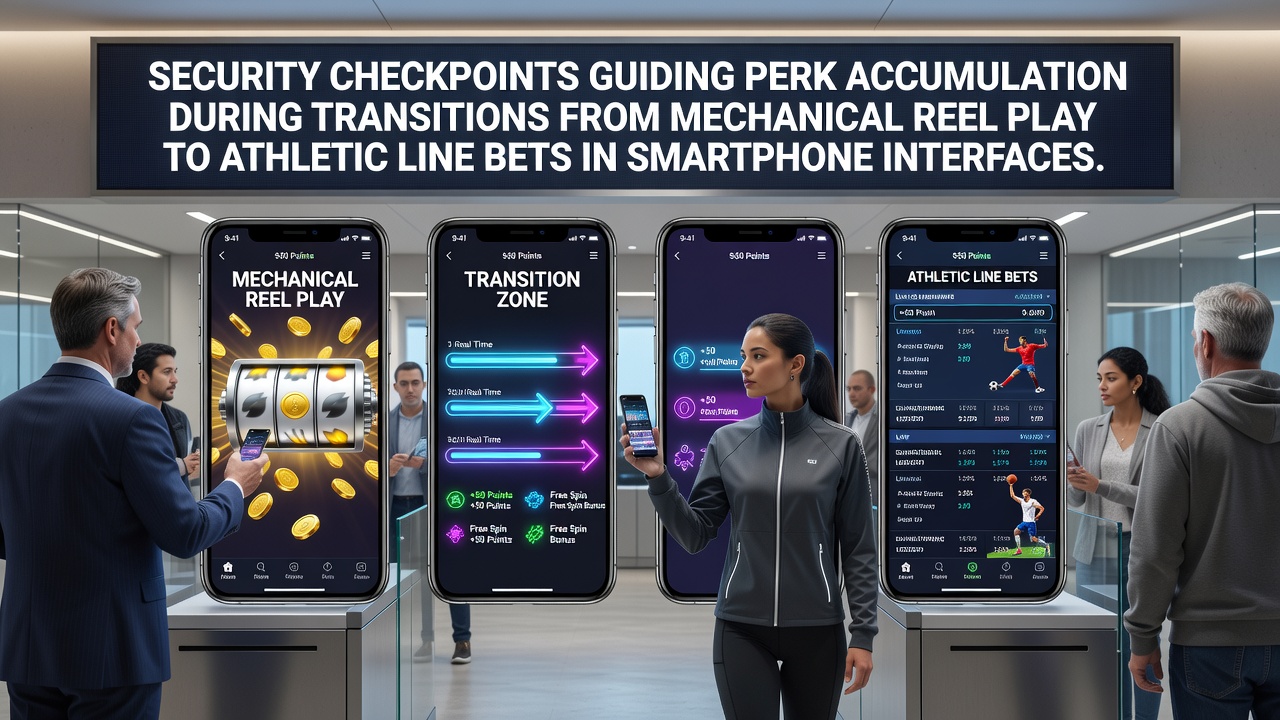
Security Checkpoints Guiding Perk Accumulation During Transitions from Mechanical Reel Play to Athletic Line Bets in Smartphone Interfaces
Security protocols in smartphone gambling applications manage reward pathways as users shift between mechanical reel sequences and athletic forecast lines, and these checkpoints verify account status before perks transfer across game categories. Developers integrate layered authentication steps that confirm user identity and session continuity while preserving accumulated benefits such as bonus multipliers and loyalty points. Data from industry monitoring shows that mobile platforms handling both reel-based mechanics and sports line selections recorded over 40 percent of player activity involving cross-category movement by mid-2026. Operators deploy checkpoint systems at transition points to prevent unauthorized perk duplication or loss during switches. Each verification layer examines transaction history alongside current game selections, then applies rules that adjust reward eligibility based on verified activity levels. According to reports from the American Gaming Association, platforms utilizing such integrated security frameworks maintained consistent perk continuity rates above 92 percent across verified sessions in the first half of 2026.Checkpoint Mechanics in App Environments
Applications structure checkpoints as sequential validation stages that activate automatically when users exit reel play modules and enter sports betting sections. The first stage confirms device binding and session tokens, while subsequent stages cross-reference loyalty tier data against recent wager patterns. This process ensures that benefits earned through reel sequences remain intact when applied to athletic line selections, and it blocks transfers if discrepancies appear in account records.
Research from regulatory bodies in multiple jurisdictions indicates that these staged verifications reduce instances of reward manipulation by limiting automated scripts and unauthorized account access. Platforms updated their protocols in early 2026 to include biometric confirmations at transition thresholds, which shortened average verification times to under eight seconds per switch. Observers note that shorter processing intervals correlate with higher rates of sustained user engagement across both game types.
Perk Transfer Protocols and Tier Adjustments
Loyalty systems calculate perk eligibility during transitions by applying weighted formulas that account for time spent in each category. Points accumulated from mechanical reel spins convert to sports line credits at predefined ratios once security clearance completes. Figures from Canadian provincial gaming commissions reveal that conversion ratios stabilized around 1.2 to 1.0 for most tier levels during the spring transition period leading into July 2026.
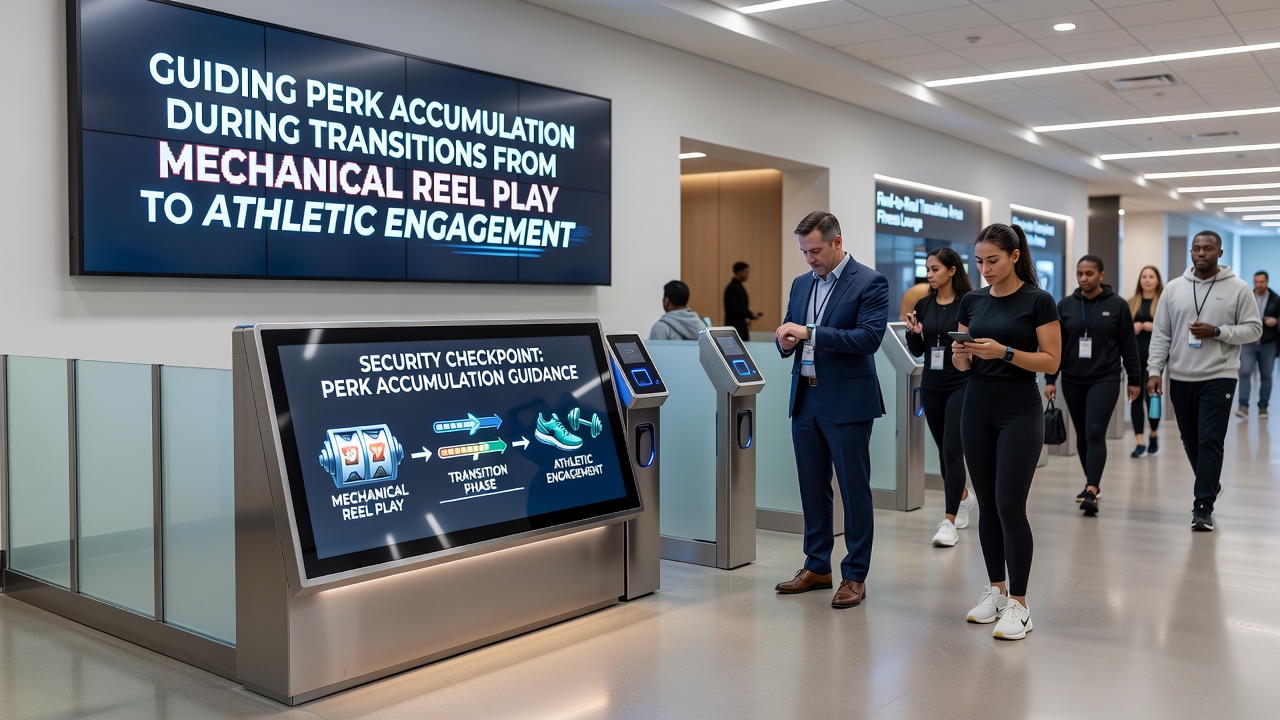
Additional safeguards monitor velocity of switches to flag potential abuse patterns. When users alternate rapidly between categories, checkpoints impose temporary holds that require manual review before further perk accumulation proceeds. European trade association data shows that such velocity controls decreased anomalous reward claims by 27 percent across participating mobile operators between January and June 2026.
Regulatory Alignment and Platform Compliance
Jurisdictions overseeing mobile gambling require operators to document checkpoint procedures and demonstrate that perk transfers comply with responsible gaming standards. Compliance audits examine how security layers interact with bonus stacking rules, particularly when reel-derived benefits apply to sports forecasts. Platforms that aligned their systems with these standards reported fewer compliance incidents in quarterly filings submitted through June 2026.
Academic studies on digital gambling interfaces have examined how checkpoint frequency affects user retention metrics. One analysis published in 2025 found that balanced verification timing supported steady progression through loyalty tiers without interrupting flow between reel mechanics and line betting options. Operators adjusted their implementations accordingly, incorporating adaptive checkpoint intervals that scale with individual account risk profiles.
Integration with Funding and Support Channels
Payment gateways connect directly to checkpoint frameworks so that deposit activity influences perk eligibility during category transitions. When users fund accounts through verified methods, the system updates tier status before allowing transfers of accumulated rewards into new game modules. This linkage maintains continuity for benefits earned across mechanical reel sessions and athletic selections.
Support networks within applications provide guidance at checkpoint stages through in-app messaging that explains status updates and required actions. These channels operate alongside automated systems to resolve verification delays that might otherwise interrupt perk flow. Data compiled by Australian research institutions indicates that integrated support reduced average resolution times for transition-related queries by 35 percent in monitored platforms during 2026.
Conclusion
Security checkpoints function as essential control points that preserve reward integrity while enabling movement between mechanical reel play and athletic line bets on smartphone interfaces. Their structured validation steps align with regulatory expectations and support consistent perk accumulation across game categories. Continued refinement of these systems reflects ongoing adjustments to usage patterns observed through mid-2026, with operators focusing on verification efficiency alongside compliance requirements.