Synchronizing Loyalty Milestones Across Automated Reel Sequences And Athletic Forecast Lines Through App-Based Service Channels
Kai Wolf · Jun 5, 2026

Synchronizing Loyalty Milestones Across Automated Reel Sequences And Athletic Forecast Lines Through App-Based Service Channels
App-based service channels now coordinate loyalty milestones by pulling data from automated reel sequences and athletic forecast lines into single user profiles, and this coordination relies on backend systems that update in real time while players switch between game types. Observers note that operators achieve this through shared application programming interfaces which record every spin outcome alongside each wager placed on competitive events, then convert those actions into tiered rewards without requiring separate logins or manual transfers.
Core Mechanisms Driving Unified Tracking
Developers build these platforms around centralized databases that assign point values based on activity volume rather than game category, so a series of reel stops on automated sequences contributes the same base multiplier as equivalent turnover on forecast lines for upcoming matches. Data shows this approach prevents fragmentation because the system logs timestamps, bet sizes, and completion rates in one ledger; researchers from industry reports confirm that such ledgers reduce duplicate entries by up to 40 percent when compared with earlier siloed programs.
Integration extends to milestone triggers as well, where reaching a cumulative spend threshold automatically unlocks benefits that apply across both formats, and users receive notifications through the same mobile push service regardless of whether the last action involved spinning reels or selecting odds. What's interesting is how conditional bonuses activate only after verification across both channels, which ensures fairness while maintaining compliance with state-level reporting requirements in markets that expanded mobile access during 2025.
Technical Infrastructure and Data Flow
Service channels operate through encrypted cloud connections that pull live feeds from reel servers and sports data providers simultaneously, then apply loyalty algorithms that weigh volatility factors and payout frequencies to maintain balanced progression rates. Studies from academic sources indicate these algorithms adjust point accrual dynamically; for instance, high-frequency low-stake reel sessions accumulate points at a rate calibrated to match lower-frequency higher-stake forecast activity, which prevents one format from dominating tier advancement.
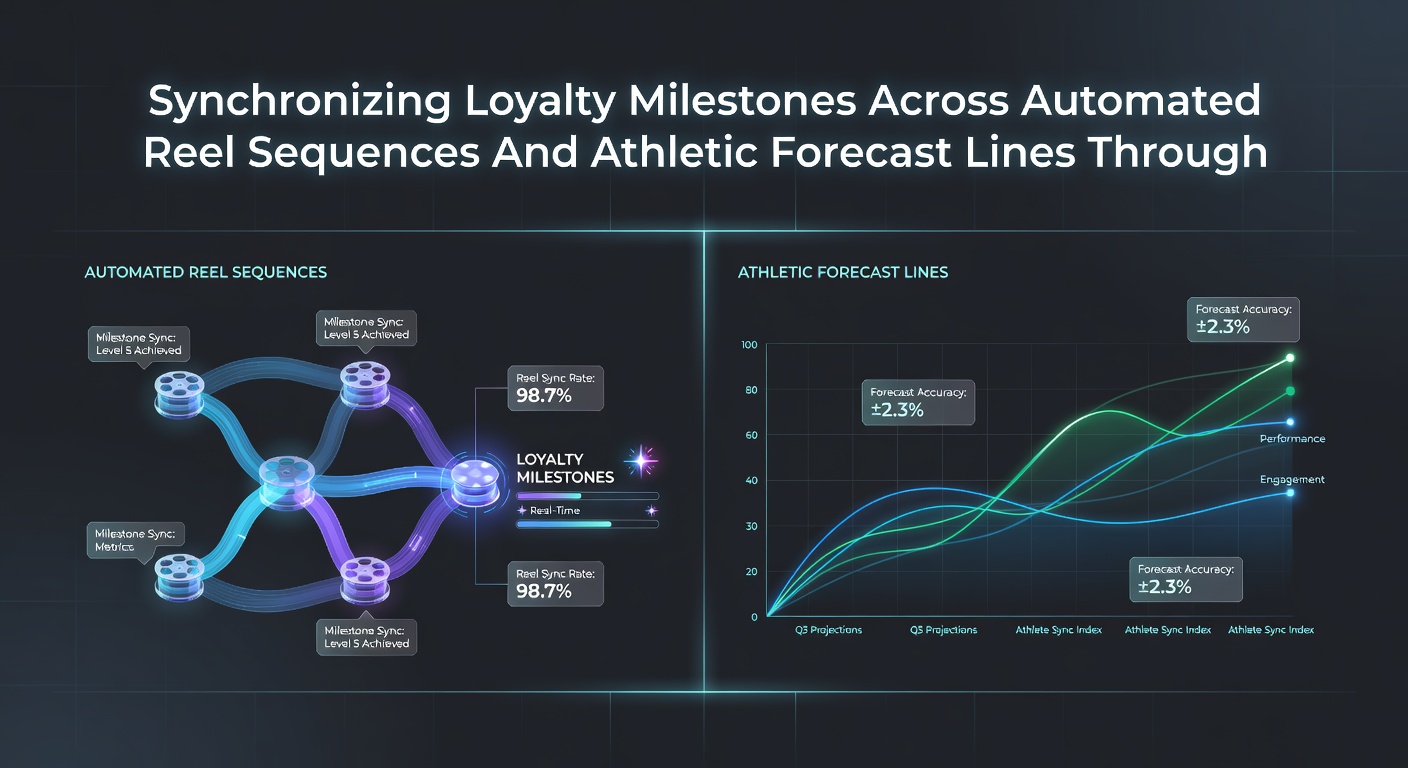
Security protocols include multi-factor authentication tied to device biometrics, while audit trails capture every synchronization event for regulatory review, and operators in multiple jurisdictions now submit monthly summaries that detail cross-channel point movements to oversight bodies. In June 2026 several platforms reported expanded testing of blockchain-based verification layers that timestamp each milestone without exposing personal identifiers, a step that aligns with emerging standards discussed at recent trade gatherings.
Examples from Operational Markets
One regional operator in North America implemented the synchronization model across its portfolio and recorded a measurable increase in session length because players could progress toward a single monthly reward target through either reels or forecasts, according to aggregated figures released by the Pennsylvania Gaming Control Board. Similar patterns appear in Australian markets where state regulators require transparent reporting of loyalty mechanics, and data from those submissions reveals consistent adoption of unified apps among operators serving both electronic gaming and wagering audiences.
Another case involves a European platform that linked reel sequences to athletic forecasts through a single wallet interface, resulting in faster tier upgrades for users who alternated between formats, while the system automatically prorated any pending bonuses when regulatory limits on daily activity took effect. Those who've studied these deployments note the reduction in support tickets related to missing points, since the app resolves discrepancies in the background before they reach the user.
Regulatory Context and Reporting Standards
Authorities in several regions require operators to disclose how loyalty calculations span different game categories, which has prompted the development of standardized export formats that feed directly into compliance dashboards. A report issued by the American Gaming Association outlines best practices for such disclosures, emphasizing audit-ready logs that separate raw activity data from converted milestone values. Links to these guidelines appear on operator help pages so users can review the underlying rules without leaving the app environment.
Canadian provincial commissions have adopted parallel requirements that focus on cross-border data handling when apps serve players in multiple provinces, and the emphasis remains on preventing any single channel from receiving preferential point rates that could skew participation. Observers note that these rules have accelerated the adoption of modular codebases that allow quick adjustments when new forecast markets or reel titles are added to the catalog.
Conclusion
Synchronization of loyalty milestones through app-based channels continues to evolve as operators refine the balance between reel sequences and athletic forecast lines, with technical standards and regulatory expectations shaping the pace of implementation. Current deployments in June 2026 demonstrate that unified tracking improves operational efficiency while meeting disclosure obligations across jurisdictions, and further refinements are expected as data standards mature.